Congratulation s to agent Lisa Flashenburg for being #3 in total sales within Suffolk County, one of the top 20 agents in the region[per www.bostontop20.com]. She had a phenomenal month with $9,200.000.00 in sales! This includes the purchase of an magnificent multi million dollar mansion located on historic Beacon Hill. Whether high end, mid range, or first time home buyer, Lisa will find you the exact location that is perfect for you.
Coloring Contest
Sophie and L isa spent last Saturday at Norwood Day, getting to meet lots of our neighbors. We ran a coloring contest inside our booth. Here is the link to the entries Legal Edge Coloring Contest. The winner will recieve a $25 Visa gift card. We are still waiting for a few more entries to get sent in. Each participant received their very own box of crayons. We were very busy handing out information about buying and selling homes in Norwood, discussing the limited supply of homes on the market and why it is an excellent opportunity for sellers. We were also able to help make some connections for buyers looking for mortgage connections. It was a great day, with fantastic weather.
Visit our facebook page and tell us which one of the pictures is your favorite!
The Art of the Walk Through
 One of the last crucial steps to take before you go to the closing table to sign your mortgage documents should be the walk through of your new home. This gives you the opportunity to see that everything is in good working order, and get an opportunity to deal with any last minute problems that might arise.
The walk through should be scheduled within 24 hours of your closing. It will take about 30 minutes to compete.
Now, what are you actually doing when you do the walk through?
Check that the appliances and plumbing are working- you can turn on the dishwasher, turn on light switches, run the faucets to see that everything is operational.
You can also ask for owner manuals for appliances and warranties on any items that may exist.
Double check that any repairs that were supposed to been done have actually happened.
Make sure personal belongings have been removed, or items that should be left behind per your contract are still in place.
Make sure mother nature hasn’t done any damage to the property since the purchase and sale has been signed.
If you do identify some problems, let your real estate agent get involved. They can negotiate a repair that hasn’t happened, get items removed that are still in place, or arrange for funds to be held back until the situation is corrected. Don’t panic if something is out of place. There is always a solution, whether it is a postponement of the document signing or a renegotiation of an item. You have legal recourse as protections and most often times, a mutual agreement can be reached.
We have had situations where flooding has occurred due to a storm, or Sellers have refused to remove their belongings. In each case, a short negotiation remedied the repairs. It is also not uncommon to find that Sellers will ask to leave items that may be useful to you, such as gardening tools that they no longer need, at no additional charges.
The walk through can give you that additional sense of confidence that you have made a great decision with your home purchase.
Once the walk through is complete, you are on your way to signing your documents and receiving the keys to your new home.
What’s the biggest surprise you have come across while doing a walk through?
Sign up here for our monthly newsletter
Budget Friendly Makeover Ideas

Would you like to give a fresh look to your house without breaking the bank? Try these extremely low-cost makeovers to give your house a face lift.
• Wash instead of paint: If you can’t afford to paint the home, how about giving it a good wash? Don’t forget to scrub the screens, windows, and gutters, as well as the sidewalk and driveway while you’re at it.
• Paint the trim and front door: Your home’s exterior will look crisper with fresh trim and front door color.
• Freshen the floors: Consider cleaning the grout on tile floors. If you have stained or worn carpet, consider replacing it with a remnant (left over carpet from larger jobs).
• Re-caulk plumbing fixtures: Over time the caulk that prevents water seepage around plumbing fixtures can mold, discolor, tear, or degrade. Stripping this material out and replacing it with a fresh bead of silicon is an inexpensive way to improve the look of bathrooms and kitchens. Also pour bleach on mold that has grown under caulk and grout.
• Take care of the small things: Look around. Notice all the little items that need repair. Make a list and work on it as often as you can, one item at a time. Replace light bulbs, fix holes in doors or walls, grease squeaky hinges, clean gutters, fix leaking plumbing fixtures, change the air filter, wash the curtains, paint dingy entry ways, and so on.
• Update lighting fixtures: You can spend a fortune on lighting fixtures but you don’t have to. Consider selectively changing lighting fixtures that date the home. Even inexpensive, but new fixtures can make a difference.
What’s the best budget saver home improvement that you’ve ever done?
Sign up here for our monthly newsletter
The Trouble with Termites
 Whether you are a new home owner, a potential seller or have been living in your home for a long time, termites do not play favorites. Ideal conditions that allow them to take up residence in your home include a good deal of moisture, usually near the ground and close to your foundation, plants growing up against the house and cracks in the foundation.
Subterranean termites live underground, build large nests with mud tubes through which they travel and stay connected to the moisture. Besides burrowing in, they can also fly in through cracks in the foundation or windows. They love to eat wood and thrive in warm humid spaces. If left unchecked, they can create severe damage in your home.
While it is often hard for a home owner to spot, some tell tale signs are the following: if you see them swarming near your home in the spring during mating season; Other signs can include evidence of the mud tubes, piles of sawdust coming off of wood, exit holes in drywall, soft baseboards or window moldings, wall paper bubbling, and tiles falling off of walls.
If you see evidence of these items, call your local pest control to come and investigate, and have them do a treatment as required.
To keep your home termite free, here are some anti termite treatments:
- Keep your home dry, repair leaky faucets, properly vent bathrooms, kitchens and basements where moisture can build up
- .Keep bushes and plants trimmed back at least 8” from your foundation. Make sure window wells do not have sitting water in them.
- Fill any cracks in the foundation, along window frames, dryer vents, or any other potential entry points.
- Get a yearly termite inspection from a certified pest control company, even if you think you do not live in an area that is known for termite infestation.
When you stay on top of basic home maintenance, you should stay termite free.
What’s the craziest termite home invasion you’ve ever heard about?
Sign up here for our monthly newsletter
Summer Energy $aving Tips
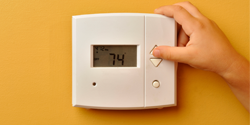
Summer has arrived and it’s hot outside. Here are 10 energy saving tips courtesy of the Alliance for Energy that can save you money and keep you cool.
1. Cleaning or changing your furnace or AC filers keeps your system from working harder and slowing down the air flow.
2. Using low flow faucets and shower heads save on water bills.
3. Washing your clothes in cold water saves on your annual utility bills.
4. Reduce your water heater temperature to 130 degrees to save energy and money on heating the water. Wrapping the storage tank with a special water tank blanker retains heat as well.
5. Seal all the air leaks and increase your home insulation. This can keep cool air in and the hot air out!
6. Use your window shades and curtains during the day to keep the heat out in the summer [but open them up in the winter to take advantage of the sun].
7. Turn off lights, any appliances or electric items that are not in use. Some appliances continue to draw power even when not in use.
8. Install a programmable thermostat to save 10% on your cooling and heating bill. Keep the home a little warmer in the summer when you are not at home, and cool it down when you come back from being out. Do the reverse for the winter]
9. Change to new energy efficient light bulbs, using about 1/3 of the energy of a traditional light bulb.
10. Use energy star appliances, and you can save up to 30% on electric bills.
What energy change have you made and how much has it saved?
Sign up here for our monthly newsletter
- « Previous Page
- 1
- …
- 3
- 4
- 5
- 6
- 7
- …
- 10
- Next Page »


